
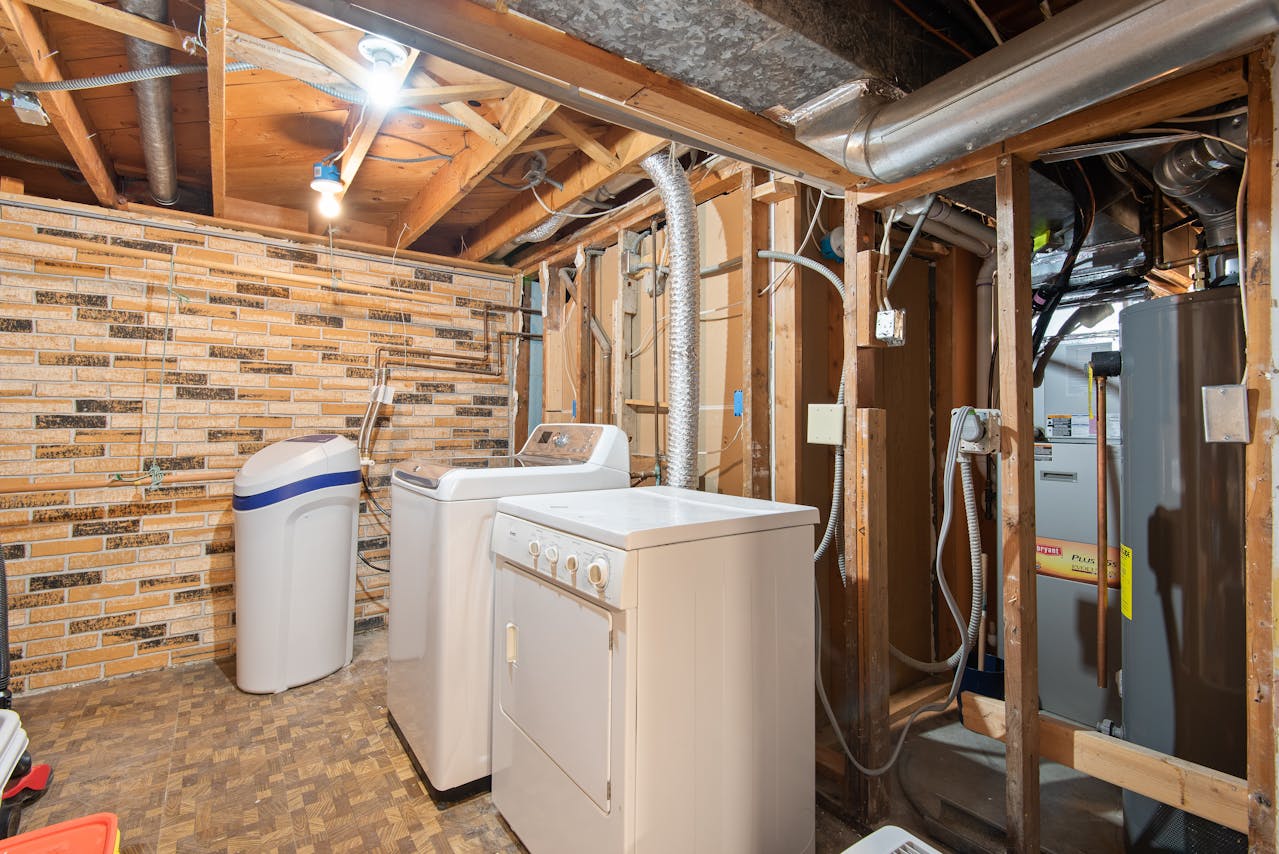
Dryer duct cleaning is one of those things that’s easy to forget until something goes wrong. But this job plays a big role in how well your dryer works and how safe your home stays. When air can’t move freely through the duct, the dryer has to work harder. That means longer drying times, hotter laundry rooms, and sometimes, more than you can see building up behind the walls.
A professional dryer duct cleaning service is not the same thing as cleaning air ducts for heating and cooling. It’s a different system, with different risks involved. The vents behind your dryer were built for one purpose (moving hot, wet air safely outside). If those vents clog, things back up fast. In this post, we’ll look at who’s best trained to handle this job and what really happens during a full cleaning.
Who Typically Handles Dryer Duct Cleaning
Not everyone who works with home venting systems is trained to deal with dryer ducts. Many HVAC contractors focus on heating and cooling systems, so they may not have the tools or experience to clean dryer lines properly. That’s where a trained dryer vent technician comes in.
We focus strictly on dryer systems. That means we understand how vents work in all types of buildings, whether it’s a single home or a multi-unit setup. Dryer duct paths are often long, with elbows and tight corners that regular vacuums can’t reach. If someone doesn’t know what to look for, they might miss clogs or skip trouble spots hidden out of view.
It’s always better to look for someone who is licensed and certified to work with these systems. Trained professionals use tools that are built for this job, which helps remove the lint and buildup without damaging the duct. That’s important because the wrong kind of cleaning can easily pull apart a poorly connected vent or push debris even deeper, which only makes the problem worse.
What Happens During a Dryer Duct Cleaning Visit
A professional cleaning starts with a close look at the dryer and where the vent runs. We check how the vent is connected, where it leads out of the building, and if there’s visible buildup at the entry or exit points.
From there, we use specialized tools made for dryer duct cleaning. These typically include brushes on long rods, compressed air devices that push lint through, and vacuums strong enough to catch material as it comes out. In most homes, this includes work both inside and outside the building, especially if the vent exits through the roof or an outside wall.
Blockages tend to collect in a few common places:
- Just behind the dryer where the vent curves
- In long horizontal sections where airflow slows down
- At duct bends or elbows
- Near flaps or screens at the outside exit
If we come across sagging vents or loose connections during the visit, we’ll point those out too. It’s easier to tighten or fix them now before they lead to bigger issues down the road.
Usually, the cleaning process moves step by step. After checking everything, we remove the dryer from the wall, disconnect the vent, and inspect both the vent and the outside exit. Next, tools are run through the ductwork to loosen and collect all the trapped lint and debris.
We take care to reach every section, since clogs anywhere along the line can create issues. Once the duct is clear, everything is put back together, making sure each connection is secure. After this, we double-check that air is flowing out properly by turning on the dryer and watching for strong airflow at the outside vent.
Signs It’s Time to Call for Service
Dryer duct clogs don’t show up all at once; they sneak up over time. But your dryer will start giving signs when something’s not right. The trick is knowing what to watch for.
- Clothes take too long to dry or come out damp
- The dryer or nearby surfaces feel extra hot after a cycle
- There’s a burned or musty smell coming from the laundry area
- Lint seems to gather behind or around the dryer
Sometimes, you might also notice the outside vent flap not opening as much as it usually does while the dryer runs. This could mean air has trouble leaving the duct. Another sign could be an unusually humid or stuffy laundry room, which can happen when moisture builds up because the vent is blocked. These small clues are easy to miss but can prevent bigger headaches if addressed early.
Florida homeowners should also think about timing. Late winter and early spring are great times for service because the weather starts to warm up, and dryer use often increases with spring travel, sports, and outdoor gear. In Florida’s humid air, leftover lint inside hot ducts can clump more quickly. That can lead to blockages that grow faster than people expect.
How Dryer Duct Cleaning Helps Prevent Bigger Problems
A clogged dryer duct doesn’t always seem urgent, but letting it go too long can lead to much bigger trouble. The dryer puts out a lot of heat. If that heat can’t escape, it builds up in the ductwork and around the machine. Over time, that raises the risk of overheating, something no home should ignore.
Regular cleanings remove that buildup so the dryer can breathe. When vents are clear, air moves fast and heat escapes like it’s supposed to. That helps keep drying times short and protects the parts inside the dryer from wearing out too soon. It also supports better air quality by moving warm, wet air outside instead of letting it hover in the laundry room.
- Clean vents lower the chance of heat buildup and fire risk
- The dryer runs more efficiently, saving wear on the system
- Air stays fresher in the laundry room with less trapped dust and lint
Allowing vents to get blocked can force the dryer to run multiple cycles for the same load of clothes, leading to extra energy use and unnecessary wear. This can also increase utility bills and create strain on both your dryer and your home’s electrical system.
Dryer vent systems are simple, but only if they’re maintained. Otherwise, a small clog can grow into a full-blown repair that affects the whole setup.
Dryers Run Better When You Know What to Expect
Getting familiar with how dryer duct cleaning works can help you catch problems early and take care of them before they grow into something harder to fix. It’s a task that doesn’t need to be done often, but when it’s skipped for too long, trouble usually follows.
Choosing professionals who handle only dryer vents means the job gets done right, without second-guessing or missed spots. Spring is already a time for cleaning and checking the things we use most. Adding dryer vents to that list helps keep your day-to-day schedule on track, especially when the laundry starts piling up again. Clean vents mean shorter drying times, safer homes, and one less thing to think about as the season shifts.
At HDVC Solutions, we help homeowners across Florida stay ahead of hidden dryer lint problems before they turn into bigger headaches. Noticing longer dry times or a warmer laundry room? A professional inspection and cleaning can greatly improve your system’s safety and efficiency. Learn more about our approach to a proper dryer duct cleaning service, or contact our team today to schedule your appointment or get answers to your questions.
