
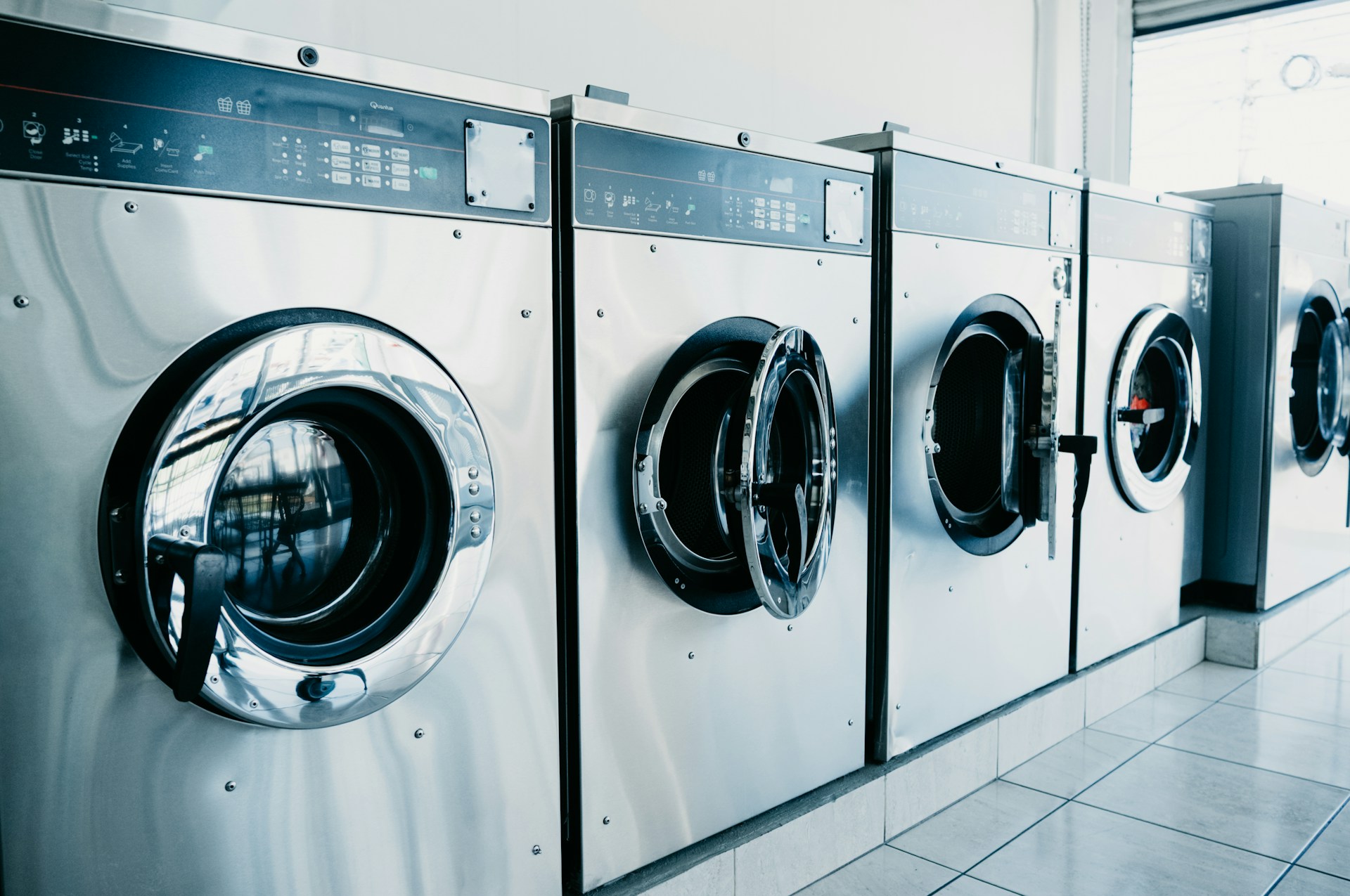
Dryer vent cleaning isn’t a one-size-fits-all job. What works for a home setup doesn’t always cut it in a commercial space, especially during Florida’s hotter months. As spring starts to warm up, many businesses are heading into their busiest time of year. That’s when machines run longer, air gets heavier, and lint builds up faster than people expect.
If you run a laundromat, salon, or any place that relies on dryers, it’s good to know that commercial dryer vent cleaning isn’t quite the same as what homeowners might get. The systems are different, the demands are higher, and the risks can grow quickly if vents go unchecked. We work with these systems every day, and we’ve learned that even small differences in setup can change how we approach the job.
How Commercial Dryer Vent Systems Are Built Differently
Most people don’t see much of a dryer’s vent system unless it runs straight out through a wall. In commercial setups, though, you’re working with hidden runs behind machines, overhead ducts, or even shared vent systems that connect multiple dryers at once. These layouts are often longer and more complex than what we see in homes.
- Hotels, apartment buildings, laundromats, and salons may use rows of machines or machines stacked into tight spaces. That often means longer duct runs with more bends where lint can stick.
- Some vents share a single exhaust route. That can lead to intersections where hot air and fibers from one machine cross paths with another, raising the chance of blockage.
- All that adds up to more lint moving through longer ducts. And when airflow slows or gets trapped, heat builds up, especially during peak use.
These complications don’t just mean that cleaning takes longer. They change what tools we need and how often vents should be checked. Poor vent access or longer runs mean more corners and elbows to clean, and that makes a difference over time.
Commercial vent systems are put in place to handle bigger workloads and more frequent use, but that also means the design can create areas where lint piles up quickly. For example, longer vents with several turns will catch more debris in the bends. If there are stacked dryer units, dust and lint might collect in between, so you need a careful approach when handling these setups. Airflow can be slowed significantly by even a thin layer of lint inside a long vent, especially as it builds up near joints or where two ducts combine.
Because commercial dryers serve so many loads every day, they need systems built for speed but also safety. If a vent system is not cleaned as it should be, the combination of added use and design complexity causes problems much faster than in a standard home system. That’s one reason why regular professional cleaning is such a valuable routine for places where dryers never seem to rest.
Why Dryer Usage in Businesses Brings Higher Risk
Dryers in business settings usually don’t get much rest. They’re put to work daily, sometimes back-to-back for hours, especially during warm or humid seasons like spring and summer in Florida. That constant use wears on the machines and their vent systems, pulling in more lint and pumping out more heat than most home dryers ever do.
- The more often dryers run, the more lint travels through the system. And without proper airflow, it doesn’t take long for it to cling to the vent walls.
- Tight or hidden corners in commercial setups can trap lint. When these areas aren’t cleaned properly, buildup doesn’t just slow things down, it backs up heat and creates a fire hazard.
- In humid states like Florida, that lint can stick together faster. Moist air and heat combine to clump lint into thick patches. Once that starts to happen, airflow drops and the drying process slows down even more.
This is why commercial dryer vent cleaning needs a different approach. The systems deal with heavier loads, tighter turns, and more buildup in less time.
When vent systems are packed into a busy workspace, there is often little time between cycles. Cleanings can get pushed aside during busy months, especially when customers are constantly using machines. If vents become overloaded with lint, you might find that several dryers struggle at once, slowing your whole operation or even shutting down multiple machines until the problem gets fixed. This is especially tough in Florida, where the high humidity means lint does not dry out as fast and can gum up quickly.
We notice that in commercial laundry rooms, dryers with clogged vents not only run longer but struggle to keep the room comfortable. The air seems thick and sticky, making it hard for staff to work nearby and for customers to stay happy while waiting. These are small signs that, taken together, usually point to a problem in the vent lines. Routine checks and cleaning are the best way to prevent those headaches before they snowball.
How We Clean Commercial Vents the Right Way
When it’s time to clean commercial dryer vents, we don’t guess or rush it. We make sure we know exactly how the system is laid out before we get started. Some buildings have vents hiding above ceiling tiles, through the roof, or along hidden chases. Getting to these areas safely and cleaning them fully takes the right tools and an understanding of how airflow moves through the space.
- We begin by checking where the vents go and how long the run is. Some commercial dryers connect to rooftop exits or exit high on a wall, so it’s important to trace the full path.
- We use flexible rods and high-powered vacuums to move through long duct lines, even with curves or elevation changes. These tools help collect lint without damaging the ductwork.
- Routine cleanings keep vents free and clear. That cuts back on emergency calls and helps machines perform consistently, even during Florida’s warm, busy seasons.
Each business has its own setup. Knowing the layout helps us clean from start to finish with less risk of leaving hidden clogs behind.
We take extra care with every bend and branch in the system, always looking for spots where lint could be hiding. Even vents that seem clear on the outside may have small blockages tucked away deeper in the line. Schedule interruptions can be minimized when we plan ahead and work quickly, but the cleaning is always thorough because safety and performance depend on every foot of ductwork being cleared.
Proper cleaning helps the whole system breathe better, which means each dryer works efficiently. This can also extend the lifespan of your machines and help prevent repairs or downtime. After cleanings, we sometimes suggest easy ways for staff to check for airflow, just in case something changes between visits.
Signs a Business Might Be Due for Vent Cleaning
Sometimes the vent will give off a few signs, but they sneak up. It might seem like the dryer is just getting older or slower, but quite often, it’s the vent that’s the problem. Paying attention to how the laundry system is performing can help prevent bigger issues down the line.
- Dryers take longer to finish a cycle. You might notice customers restarting machines or employees needing extra time for tasks that used to be quick.
- The laundry area starts feeling hot or muggy. It’s more than just warm, it feels like the air isn’t moving well or the heat from the dryers is staying trapped inside.
- You see lint and dust collecting around machines or vents, even on higher surfaces like ceilings or shelf tops.
If any of these symptoms show up, it likely means the airflow is being interrupted. And when that happens, the equipment has to work harder to do the same job.
Another clue is an increase in complaints about slow machines or damp laundry after what should have been a normal cycle. If your team notices more lint outside the vent opening or around the dryer itself, this could signal trouble deep inside the system. Catching these signs early lets you fix small problems before they turn into big headaches, making life easier for everyone in the building.
The Benefits of Getting Ahead of the Buildup
When vent cleaning gets put off, things usually don’t go unnoticed for long. Dryers drag out each load, heat spreads through the workspace, and staff or customers start noticing that things aren’t working like they used to.
- Keeping vents clear helps dryers dry faster and better. Less airflow resistance means less stress on the heating element and motor.
- Clean vents support a safer environment. When lint isn’t left to build up in ducts, there’s less risk of something sparking or overheating.
- Choosing regular care before problems show up means fewer disruptions when business gets busy, especially during spring travel season or summer rushes.
It’s not about ticking a box. It’s about keeping things running smoother and safer when you need them most. In a commercial setting, small clogs can snowball into big delays. Getting ahead of that lets us focus on what really matters, keeping business moving forward.
When you stay ahead of lint buildup, machines keep up with demand no matter how busy it gets. That helps businesses keep customers happy and employees focused. Investing time in regular cleanings means less downtime and fewer calls for last-minute repairs, making your day-to-day work much easier and more reliable.
Relying on dryers to keep your business running smoothly means keeping vents clear is important. Machine layout, vent length, and heavy daily use all affect how quickly lint builds up and restricts airflow. That’s why we customize our methods for each system we service. Our approach to commercial dryer vent cleaning helps safeguard your equipment and keep things running efficiently. Contact Hinman’s Dryer Vent Cleaning to schedule a visit that fits your business needs.
