
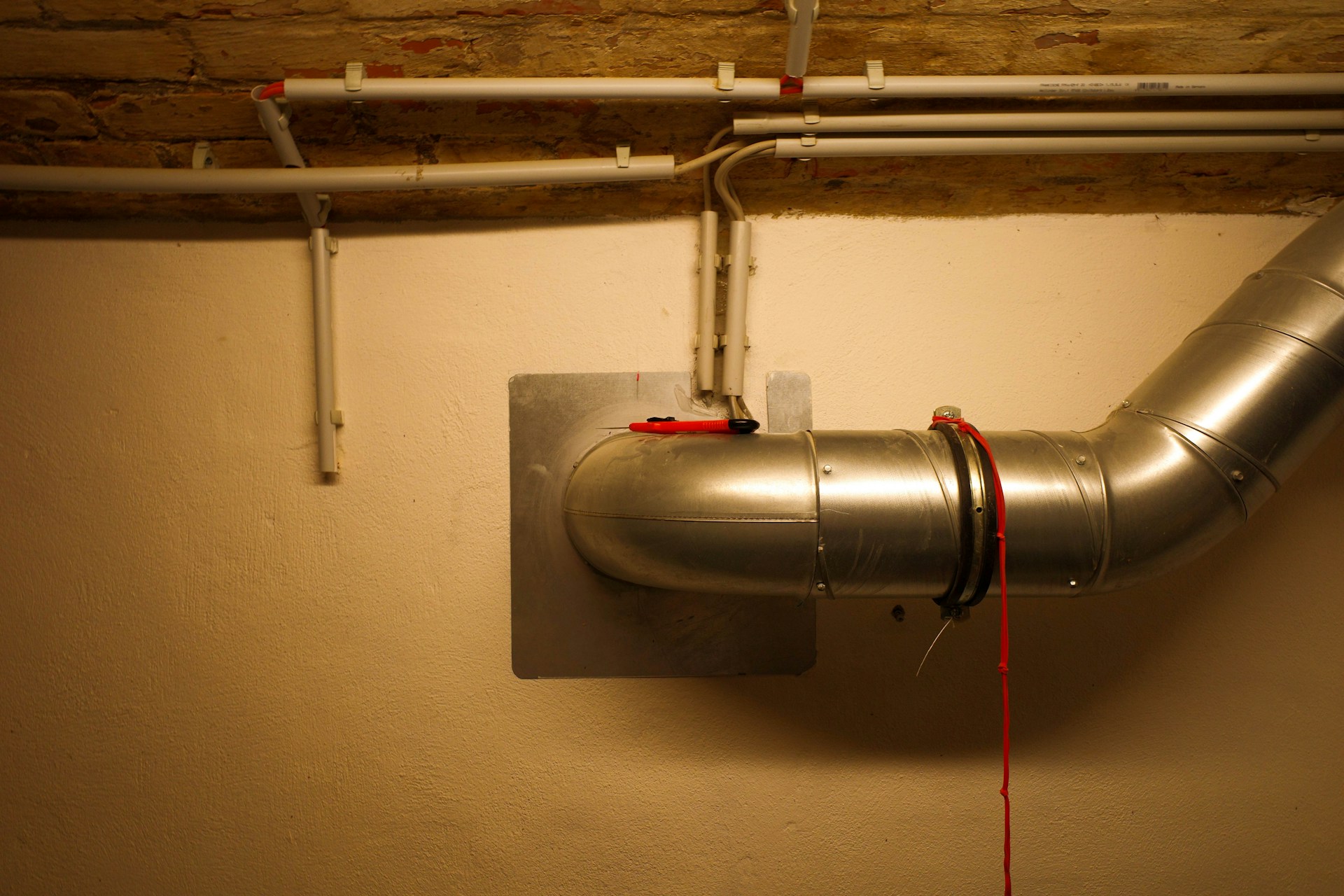
A near miss with a dryer fire is something most people don’t forget. It catches you off guard and brings a lot into focus. That rush of heat, smoke, or even just the smell of burning lint can be enough to make anyone think twice about ignoring the warning signs. After something like that, dryer fire prevention becomes a lot more personal.
This is especially important going into the warmer months, when we rely on dryers more often indoors. In Florida, the heat and humidity can make clothes hang-drying less practical, so the machines stay busy. That’s why we’re sharing some simple, smart dryer fire prevention tips to keep things safe after a close call. If you’ve already had one wake-up call, now is the time to change a few habits and stay ahead of bigger problems.
Why Dryer Vents Matter More Than You Think
Dryer vents often get overlooked until there’s smoke or a funny smell. But these vents are doing more than you might think with every load of laundry.
- Vents push hot, humid air out of your dryer and away from the machine. When they’re clear, your dryer runs smoothly, and clothes dry faster.
- In warm areas like Florida, lint can build up more quickly. Humid air clings to fibers, and when that lint sits inside the vent system, it becomes a heat trap.
- Over time, the buildup blocks airflow. That makes the dryer work harder, kick off more heat, and pile pressure on key parts of the machine.
Without proper air movement, it takes just the right mix of heat and blockage for something to catch. That’s why dryer vent care is a real part of fire safety for homes and businesses, not just an afterthought for convenience.
What to Do After a Close Call
If your dryer gave you a scare recently, take it seriously. We’ve seen how easy it is for someone to push things off because the machine “still works.” That’s not the right move.
- Stop using the dryer until the vent is cleared. Keeping it running can turn a near miss into something more damaging.
- Check the area around the dryer for signs of trouble. Lint collected behind the unit, heat creeping into the laundry room faster than usual, or that burnt smell that lingers are all red flags.
- Don’t settle for cleaning what you can see. Schedule a full vent inspection to get down into the parts you can’t reach yourself.
Even if the dryer seems fine now, there could be problems inside the system. Start fresh with a clean vent, and use this experience to build a safer routine going forward.
How to Build Better Dryer Habits
Most dryer fires come from things that could have been prevented with basic habits. After a close call, small changes can make a big difference.
- Always clean the lint screen before or after every load. It’s a simple step, but the most important one you can control from the outside.
- Avoid running the dryer when no one’s home or during the night. If something goes wrong, you need someone nearby to notice and act quickly.
- Keep the area around the dryer clear. Stacked laundry, cleaning supplies, or clutter near the machine can fuel a fire that starts from just one overheated part.
Sticking to these habits makes your space safer without extra effort. They only take seconds, but after a close call, they’re well worth it.
Things You Might Miss Without a Cleanout
Blocked vents don’t always make a lot of noise. Many warning signs show up slowly, and they blend into daily life unless you pay attention.
Look for these changes:
- Clothes seem damp after a full drying cycle and need a second round to finish
- The top or sides of the dryer feel hot when the machine is off
- The smell coming from the dryer vent or laundry area seems burnt or stale
- It takes longer and longer to finish a load, even though you haven’t changed how much you dry
All of these are signs that air isn’t flowing out the way it should. A clear vent helps your machine stay cool and dry loads faster. Ignoring these signs could mean another close call or worse.
Smart Timing and Seasonal Awareness
In Florida, spring is a great reset point. The dry, cooler stretches have passed, and indoor dryers start getting heavy use again. Whether you’re managing a single home or several laundry rooms, this is the right time to schedule vent care.
- As we move toward summer, heat and humidity start building up fast, and dryer use picks up inside homes, apartment buildings, and businesses
- Cleanouts done in late spring keep air flowing at its best when the machines are in high demand
- Staying on top of the schedule reduces the chances of needing another emergency fix later on
Vents that get checked regularly have fewer problems. Timing your maintenance right can save time, money, and headaches down the line.
Staying Safe with Regular Care
A near fire is a reminder that little things matter. You can’t undo that close call, but you can choose better habits and smarter decisions going forward.
Clean vents, attention to warning signs, and routine care can all help keep your machines running safely. Most of the steps don’t take extra time, they just take awareness. And once that becomes part of your rhythm, you’re less likely to run into trouble again.
Every laundry cycle shouldn’t feel like a risk. With regular upkeep and the right habits, it doesn’t have to be.
At Hinman’s Dryer Vent Cleaning, we know that the difference between routine and risky often comes down to the details. A clean vent system helps your dryer perform better, especially during Florida’s hot months when appliances are put to the test. For practical guidance made for area homes, our dryer fire prevention tips are an excellent starting point. If a recent close call made you reconsider your laundry habits, now is a great time to connect with our team.
