
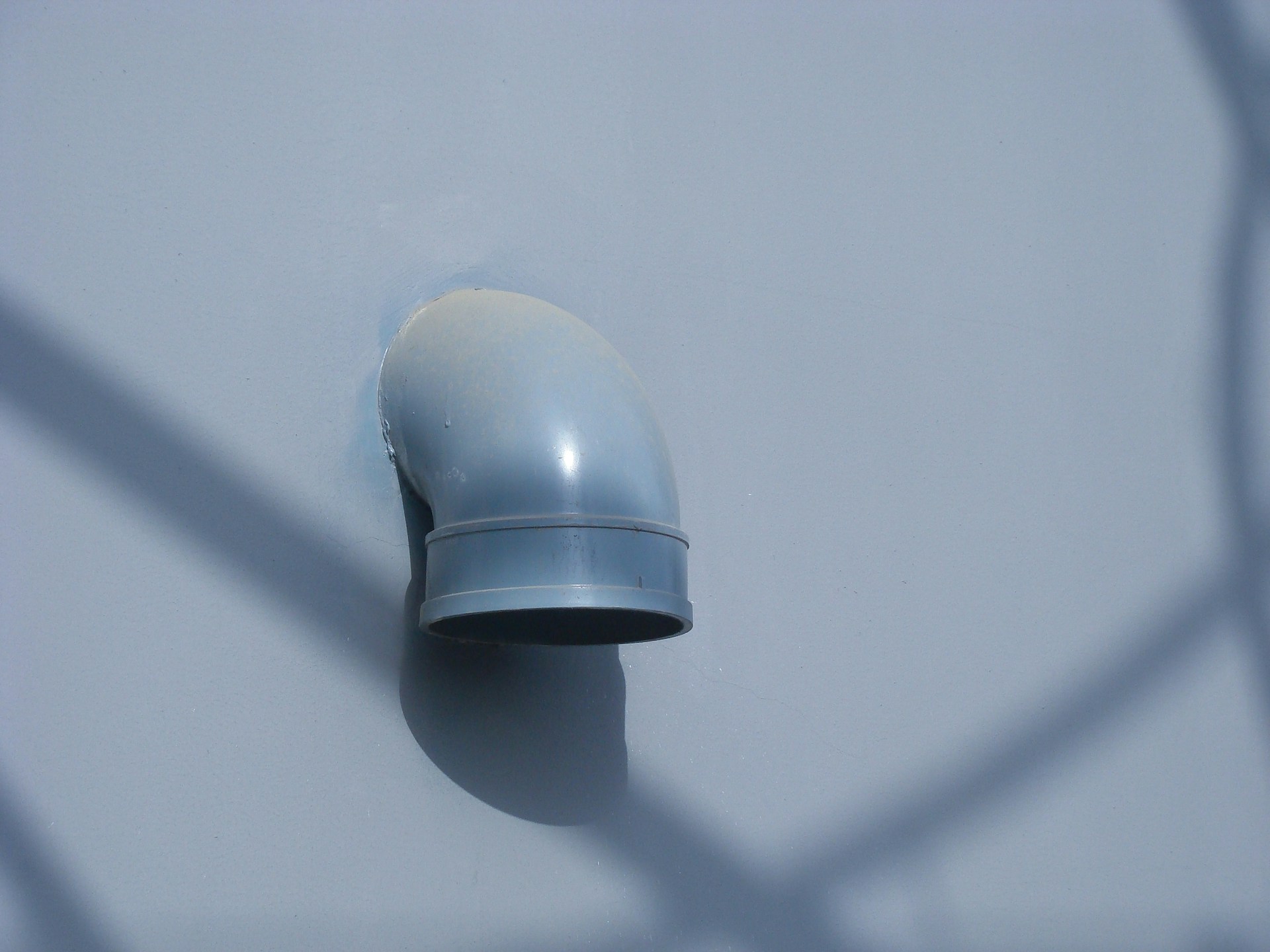
Some chores just fall off the radar. Dryer vents are one of them. Tucked behind walls or buried under laundry schedules, they’re easy to miss. But forgetting about them can lead to more than just longer drying times. That’s where a dryer vent safety inspection can make a difference.
In Florida, things heat up fast once June arrives. Long days and thick air mean dryers are working harder, even before summer officially starts. This is the kind of weather where lint buildup gets worse, not better. A quick check now beats a big headache later. If nothing else, it’s a smart reminder to stay ahead of hidden problems before the real heat kicks in.
What a Dryer Vent Does (And Why That Matters)
Dryers push warm air and moisture out through a vent, usually leading outside the building. That vent acts like an escape route, giving hot air somewhere to go. When it’s working right, air flows freely and laundry dries the way it should.
Problems start when lint begins to build up inside that path. Even a little bit can slow airflow. It might not seem like a big deal at first, but it adds up fast, especially when the weather gets humid. The more resistance the air meets, the longer the dryer needs to run. That creates more heat, more wear on the machine, and less efficiency.
And since lint is light and dry, it doesn’t take much for it to become a fire risk if the vent stays clogged. We don’t need to overcomplicate it. Air needs to move. When something blocks that, the dryer doesn’t work the way it should, and things can turn dangerous without warning.
Signs Your Dryer Vent Might Need a Look
It’s not always obvious when a dryer vent starts struggling. Many people chalk up small changes to just having an older dryer or heavier laundry. But there are clues to watch for that can mean it’s time to take a closer look.
- Loads are taking longer than they used to, even when they aren’t that big
- Clothes come out damp or feel hotter than usual
- The laundry room feels much warmer or stuffier than it should
- You notice a slightly musty or dusty smell whenever the dryer runs
- Lint is starting to gather on the floor or behind the machine
These signs aren’t dramatic, but they don’t go away on their own. They sneak in slowly, which makes them easy to miss until something stops working right. Getting ahead of these warnings can prevent sudden equipment issues or more serious concerns down the line.
When Is the Right Time for a Dryer Vent Safety Inspection?
There’s no bad time to get things checked. But in Florida, early summer hits that sweet spot. June means kids are home more, weekend trips pile up laundry, and the air indoors starts to feel thick even before noon. All of this puts extra strain on dryers.
A dryer vent safety inspection doesn’t just catch problems. It helps keep things running the way they’re supposed to before moisture and heat make vent clogs worse. Lint buildup doesn’t follow a schedule, but that doesn’t mean we can’t. Getting the vents checked once a year, right around this time, builds a habit that catches small things before they turn into bigger ones.
For businesses in particular, like salons or pet grooming shops, it’s even more useful to build this check into the early summer calendar. That way, long dry times or machine slowdowns don’t start affecting operations once things get busy.
Why DIY Doesn’t Cut It for Dryer Safety
We’ve all seen the kits in the store that claim to clean vents. The idea sounds simple: attach a brush to a drill and go. But vents don’t always run in a straight line. They bend, curve, and stretch through parts of buildings no one sees. Some run up through ceilings or under floors. Others exit out the roof.
Most of those store-bought tools only scrub the surface, reaching just a few feet in. They might remove some visible lint, but not the stuff that collects deeper down. And what they miss can still cause problems. Without checking the full run of the vent, it’s hard to know if air is really flowing the way it should.
A full inspection goes beyond just brushing out the easy spots. It checks the force of the airflow and looks at areas people can’t reach on their own. That’s the kind of peace of mind you can’t get from store tools. When we know the whole system is clear from start to finish, it takes the guesswork out of the equation.
Keep Your Dryer Running Right, Rain or Shine
Doing laundry shouldn’t feel like a gamble. Taking small steps, like scheduling a vent check once a year, can help make sure it doesn’t turn into a bigger ordeal. It keeps air flowing, drying cycles short, and machines humming along like they should.
In Florida, where humidity sticks around for months, preventing buildup before the thick air sets in just makes sense. Whether it’s a family home, a small shop, or an apartment complex, a little attention now can mean fewer problems under pressure.
We don’t have to wait for signs of trouble to take care of what matters. When safety checks become routine, dryers stay reliable, and laundry stays manageable. That’s one fewer thing to worry about when the heat is on.
At Hinman’s Dryer Vent Cleaning, we understand how easy it is to overlook what’s going on behind the walls when everything seems to run smoothly. Staying safe and keeping your home operating efficiently starts with regular maintenance, especially before Florida’s summer heat and humidity arrive. Scheduling a professional dryer vent safety inspection not only helps prevent hidden buildup that can cause problems over time but also gives you peace of mind. If it’s been a while since your last inspection, reach out to us today.
