
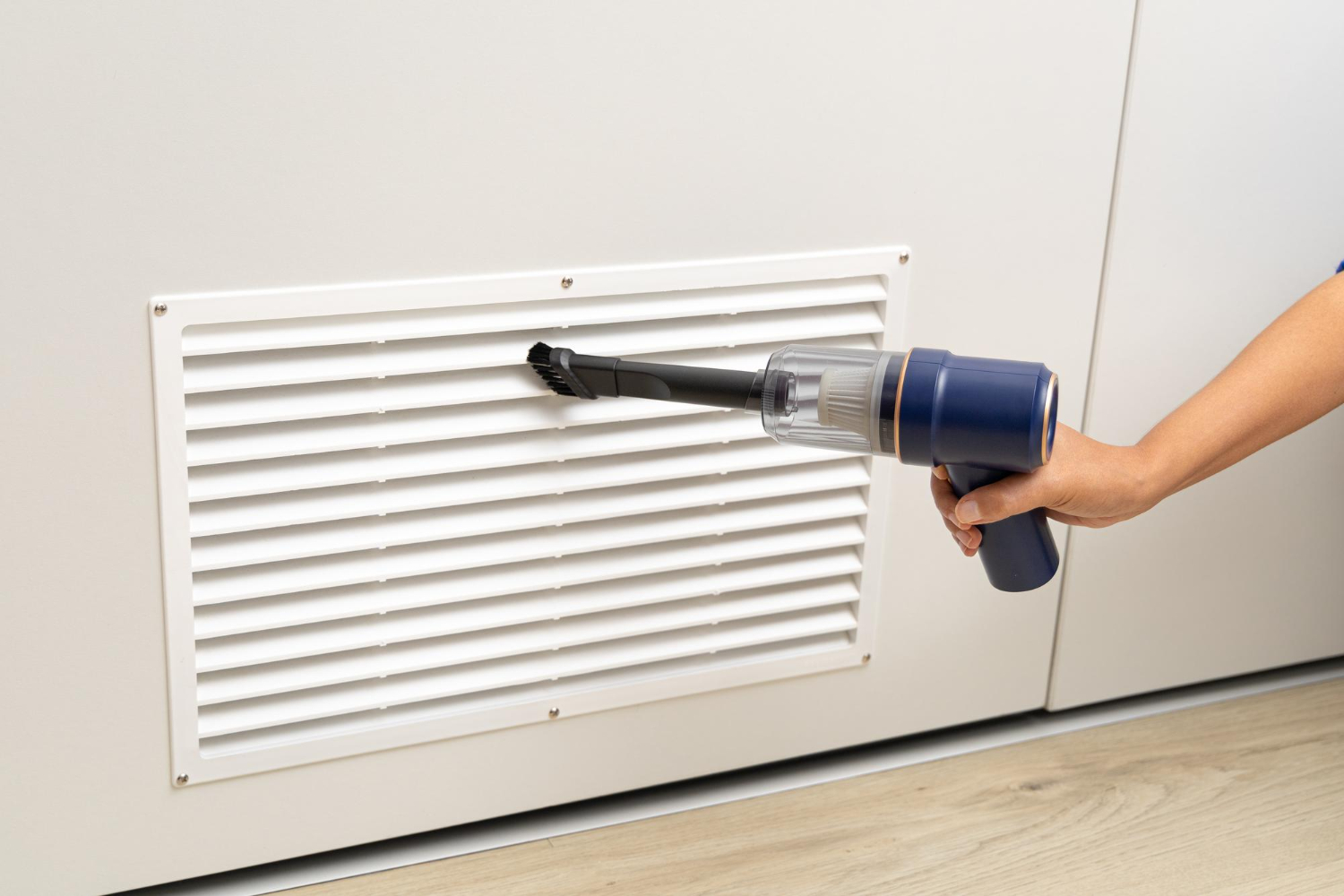
Dryer vents in apartments do not always get the attention they need. With shared systems tucked behind walls and floors, small issues can go unnoticed until they affect more than one resident. Many Florida apartments use vent designs that make it tricky to tell when a problem is building up. For this reason, dryer vent cleaning in apartments is not just about keeping the laundry running well; it helps prevent long-term trouble.
These vents handle constant use from multiple tenants, with each load sending warm air and lint through the same lines. When something starts to clog, the early signs can be subtle. If problems go unchecked, they can spread quietly through the system, affecting airflow and safety. Simple signs can mean bigger problems behind the scenes, so it helps to know what to watch for.
Slower Drying Times Are Easy to Miss
It is not unusual for clothes to come out of the dryer a little damp now and then. But when that happens often or cycles start taking much longer, it might not be the machine’s fault.
- In an apartment setting, a blocked vent can slow down airflow without anyone noticing right away. When air cannot escape easily, clothes stay damp and the dryer keeps working extra hard.
- Some tenants may think their appliance is getting old or assume it is a maintenance issue, but the root cause can be hidden in the shared vent system.
- If people are running their dryers longer just to get the job done, that adds even more lint to an already packed line, which makes the problem worse for other units too.
In shared setups, one blocked section can affect everyone. You might not see a clog, but you will feel the effects slowly showing up each time you do laundry.
Rising Heat and Musty Smells Around the Laundry Area
It is normal for dryers to give off heat, especially in a small laundry room. But if the space feels stuffy, hotter than usual, or starts to smell off, there could be something else happening inside the vent.
- A clogged dryer vent traps heat, which pushes back into the room instead of flowing out. That extra warmth sticks around longer during drying cycles and can make the space uncomfortable.
- Florida’s weather adds to the problem. The air is already warm and sticky this time of year, and vents packed with lint have an even harder time keeping things cool.
- A musty or faint burnt smell near the dryer could point to lint getting overheated. That smell might show up before any visible signs, so it is good to take it seriously if it starts happening.
Warm air and damp conditions make the perfect spot for buildup to settle in tight corners. If the room is staying hot and smells do not go away, it is likely not just the laundry detergent.
Lint Showing Up in Strange Places
Sometimes, the only clue that something is off comes from dust and lint in places it should not be.
- You might find fine lint settling on the floor or behind the machines, or even sticking to the wall near the vent. That should not happen if the airflow is moving the right way.
- Shared dryer vents that are blocked often push small amounts of lint back out into the unit. The more pressure inside the duct, the more chance it sneaks out through seams and openings.
- Many renters or homeowners think it is just normal dust or poor cleaning habits. But unusual lint buildup around the laundry area is often a red flag for vent trouble.
Keeping an eye out for lint in odd areas can help spot clogged vents before they turn into something riskier.
Preventing Bigger Repairs with Routine Checks
Dryer vents in apartments serve more than one person. That makes routine checks necessary. When equipment is shared, even a small blockage can eventually shut down airflow for multiple units.
- One missed cleaning in a vent that connects several units can slow everything down. Since dryers work on efficiency, harder airflow leads to longer dry times and higher wear on machines.
- Many older buildings in places like Florida were built with flexible vent ducts that degrade over time. These flex ducts can trap lint faster, especially when squeezed into tight wall spaces.
- A regular schedule helps catch problem spots before they make things worse. Staying ahead of buildup means keeping dryers humming, avoiding stress on the system, and reducing fire risks.
Clean vents help extend the life of appliances and reduce the chances of needing mechanical repairs due to overwork or overheating.
Better Airflow Means Fewer Surprises Down the Road
When vents in apartment buildings are cleared on time, many things start running smoother.
- You will notice shorter drying cycles. That means less electricity used, less frustration waiting around, and a far lower chance of units overlapping or causing delays across the building.
- Cooler temperatures in the laundry room are another good sign that airflow is where it should be. The difference is small but noticeable, especially during Florida’s warmer stretch from spring through summer.
- Staying alert to early signs (smells, heat, damp clothes, dust) keeps things running quietly in the background. That kind of steady performance matters in buildings with shared living spaces.
Even if you cannot always see what is going on inside wall or ceiling ductwork, the signs will usually show up on the outside first. Paying attention and taking action early is always easier than dealing with a breakdown later on.
At Hinman’s Dryer Vent Cleaning, we understand how small issues in shared laundry setups can quickly turn into larger problems if ignored. Whether you manage multiple units or live in one, regular inspections help prevent heat buildup, damp laundry, and unwanted odors. Our team keeps Florida apartment dryers running safely and smoothly by addressing blocked airflow at the source. Read about how dryer vent cleaning apartments need can be managed efficiently, and contact us if your system could benefit from a professional assessment.
